
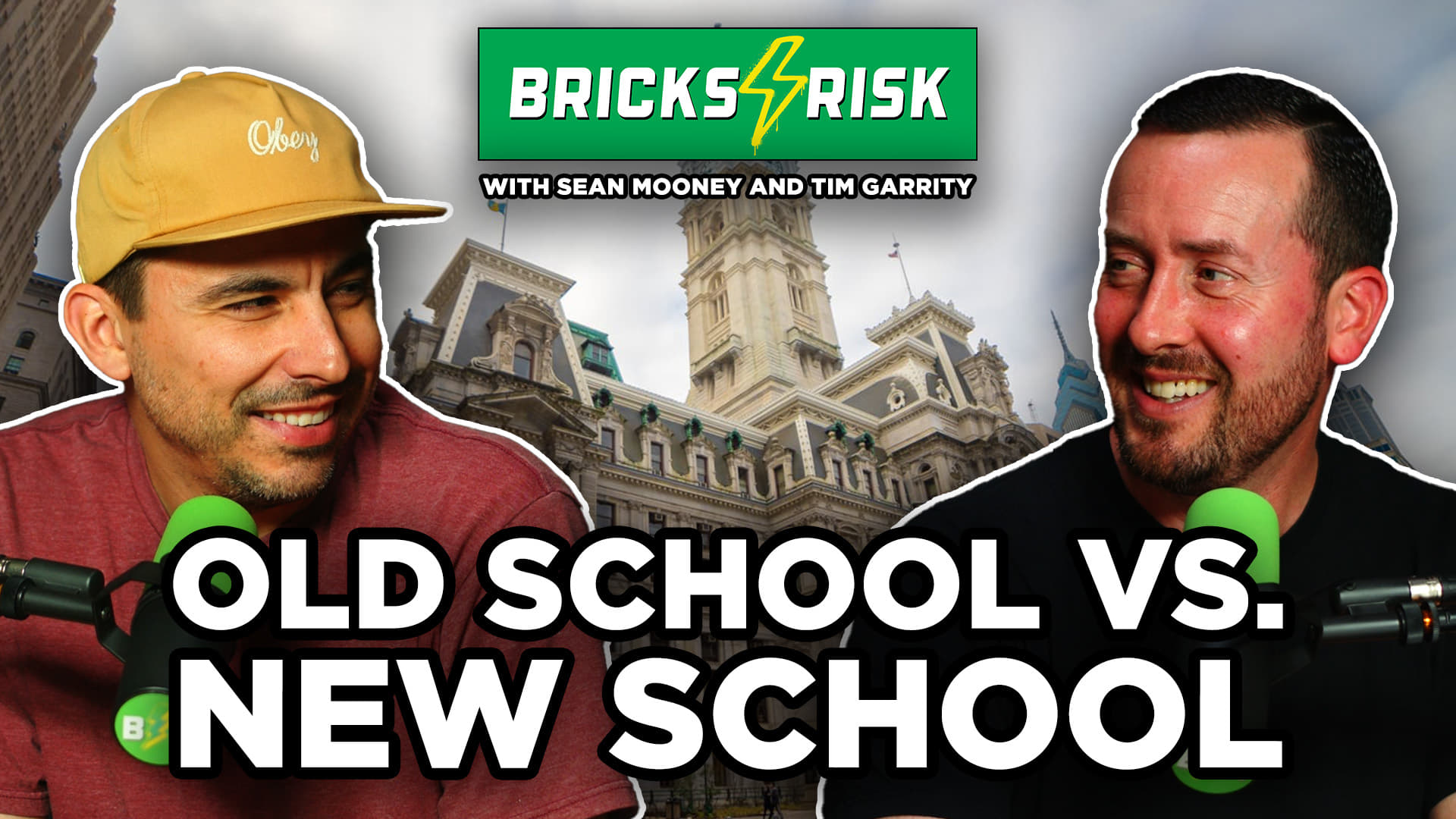
This episode explores the key differences between old-school and new-school real estate brokerages, highlighting how modern models offer greater flexibility, lower fees, and stronger support for personal branding. Tim and Sean break down commission structures, office culture, and the evolving role of the agent to help listeners evaluate whether their current brokerage is truly aligned with their goals.
Table of Contents
Introduction
The real estate industry is undergoing a significant transformation. Traditional brokerage models that once dominated the landscape are now being challenged by modern, leaner, and more agent-centric alternatives. While many real estate professionals are comfortable with their long-standing affiliations, others are asking a critical question: Is my brokerage still serving me—or just itself?
This article breaks down the core differences between old-school and new-school real estate brokerages, offering insight into what modern agents need to thrive in today’s competitive market.
Understanding the Two Brokerage Models
The modern brokerage discussion often centers around two distinct models:
Old-School Brokerages: These are the legacy firms with long-established brand names, multiple physical office locations, and a traditional top-down structure.
New-School Brokerages: These are tech-forward, remote-enabled, flexible models that empower agents to build personal brands and retain more of their earnings.
Both models offer value—but the value depends heavily on the type of agent you are and the business you're trying to build.
The All-Inclusive Resort vs. À La Carte Analogy
One of the clearest ways to understand the brokerage divide is through a simple analogy: vacation preferences.
Old-school brokerages are like all-inclusive resorts: everything is provided for you, from the office to the printer to the signage and branding. It’s comfortable, structured, and built for consistency.
New-school brokerages are like à la carte vacations: you decide where to stay, what to do, and what services you want to pay for. It's customized, flexible, and tailored to your goals.
This analogy sets the tone for how agents should evaluate their working environment: Do you want turnkey, or do you want control?
Office Culture: Is It Still Relevant?
For many agents, particularly those who've been in the industry for decades, having a local office remains a critical part of their workflow. They value in-person interaction, physical conference rooms, and a place to meet clients.
However, the landscape is shifting rapidly. According to a 2024 NAR report, only 33% of agents regularly use a physical office provided by their brokerage. As more buyers and sellers move online, agents are increasingly mobile and digital.
The question agents must ask: Is the office worth the overhead?
Commission Splits and Fee Structures
The financial structure of a brokerage should be a top consideration. In many traditional brokerages, agents are still operating on outdated commission splits—sometimes as low as 55/45, with the broker taking nearly half the commission.
In contrast, modern brokerages offer 80/20, 90/10, or even 100% commission models, often with a low annual cap or flat monthly fee.
Here’s a financial comparison between typical models:
Old-School vs. New-School Commission Breakdown
Criteria | Old-School Brokerage | New-School Brokerage |
|---|---|---|
Typical Split | 60/40 or 55/45 | 80/20 or better |
Annual Cap | None or high ($100K+) | Low ($12K–$18K) |
Office/Desk Fees | $200–$500/month | $0–$100/month |
Signage/Marketing Control | Brokerage-controlled | Agent-controlled |
Annual Cost (for 30 deals) | ~$50,000+ | ~$15,000–$20,000 |
As this breakdown shows, agents at new-school brokerages can often save tens of thousands of dollars annually—money that can be reinvested in marketing, client gifts, coaching, or personal development.
Brand Identity vs. Personal Branding
One of the biggest philosophical differences between old and new models is branding.
Traditional firms emphasize brokerage-first branding, where the agent is expected to lead with the company name.
Modern firms promote agent-first branding, where agents can build their own identity, logo, content, and social media presence.
Why does this matter? Because consumer behavior is changing. According to a recent Forbes article on modern real estate marketing, over 73% of home buyers first discover their agent through personal content online, not from a brokerage site or sign.
In the digital era, agents who build trust-based brands through authentic content will outperform those hiding behind a corporate logo.
How Brokerage Culture Impacts Agent Growth
Beyond money and branding, brokerage culture significantly impacts agent success. Traditional offices often rely on hierarchical leadership, fixed systems, and public recognition like "Top Producer" awards.
While these systems may foster some motivation, they can also create pressure to conform rather than innovate. In contrast, newer brokerages often adopt a startup-like culture focused on collaboration, transparency, and mentorship.
Tim and Sean pointed out how outdated leaderboards and internal award systems often obscure reality. Many “Top Agent” titles are based on unclear metrics or inflated marketing—leaving agents to question what success really looks like.
In modern models, recognition is more often based on results, collaboration, or contribution to community—not just commission income.
Evaluating Your Current Brokerage
Agents are encouraged to perform a brokerage audit. Ask yourself:
What value am I truly receiving in exchange for what I pay?
Does this brokerage help me build my brand, or just promote theirs?
Is there a cap on how much I’ll pay each year?
Do I have freedom with marketing, social media, and content creation?
Can I scale with this company over the next 5–10 years?
If the answers lean toward frustration or stagnation, it may be time to explore other models.
One of the biggest mistakes agents make is staying out of comfort rather than strategy. Change can feel risky—but staying put may be even riskier long-term.
Old-School vs. New-School: Side-by-Side Comparison
Feature | Old-School Brokerage | New-School Brokerage |
|---|---|---|
Branding | Brokerage-first | Agent-first |
Office Model | Physical branches | Remote-first |
Commission Structure | Lower splits, no cap | Higher splits, capped |
Tools & Tech | Varies by franchise | Modern, cloud-based |
Marketing Flexibility | Limited control | Full agent control |
Personal Brand Emphasis | Limited | Actively encouraged |
Training & Community | In-person or legacy style | Virtual, agile, global |
Stock/Equity Incentives | Rare | Common in cloud brokerages |
Conclusion: Choosing the Model That Aligns With You
There’s no universal answer to what brokerage is best—it depends on your career stage, personality, goals, and preferred work style. Some agents thrive in structured, brand-first environments with a clear roadmap. Others prefer autonomy, customization, and long-term wealth-building strategies.
The most important step is awareness. Agents should periodically reassess whether their brokerage model is aligned with where they want to go—not just where they’ve been.
As the real estate landscape continues to evolve, those who adapt to modern models and embrace personal branding, flexibility, and lean operations will be best positioned to win.
FAQ
What is the difference between an old-school and a new-school brokerage?
Old-school brokerages focus on physical office locations, brokerage-branded marketing, and traditional commission splits. New-school brokerages emphasize digital tools, personal branding, remote work, and higher agent earnings through capped fee structures.
Are brokerage offices still important in 2025?
While some agents still prefer a physical office, most modern agents now operate remotely. Many brokerages no longer maintain traditional offices, opting for coworking space partnerships or virtual operations instead.
How much can I save by switching to a new-school brokerage?
Agents can save anywhere from $20,000 to $40,000 per year depending on their transaction volume, current split, and office fees. This savings can be redirected toward personal marketing, systems, or long-term investment.
Can I build my own brand at a traditional brokerage?
Most traditional brokerages restrict how much personal branding agents can do. New-school brokerages are typically more flexible and even encourage agents to build strong personal brands for long-term success.
Do new-school brokerages provide support and training?
Yes. Many offer extensive digital training libraries, weekly virtual masterminds, and nationwide or global collaboration groups. While it may feel less hands-on at first, the support is often more scalable and accessible.
External Resources:
If you'd like help Forbes: How Real Estate Agents Are Building Personal Brands in 2025
Inman / GBAR: How to choose the right brokerage
The Close: Are virtual offices the way of the future?
📲 Want more inspiration, insights, and expert advice at the intersection of real estate, insurance, and entrepreneurship?
Connect with Bricks and Risk here:
🌐 Web: https://bricksandrisk.com/
🔗 YouTube: https://www.youtube.com/@BricksandRisk
📸 Instagram: https://www.instagram.com/bricksandrisk/
📘 Facebook: https://www.facebook.com/bricksandrisk
💼 LinkedIn: https://www.linkedin.com/company/bricksandrisk